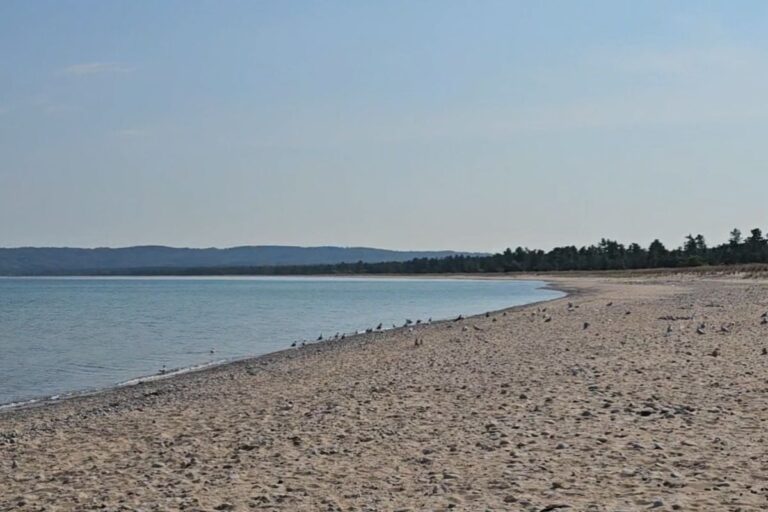
Moving to Traverse City: What Locals Wish You Knew Before You Came
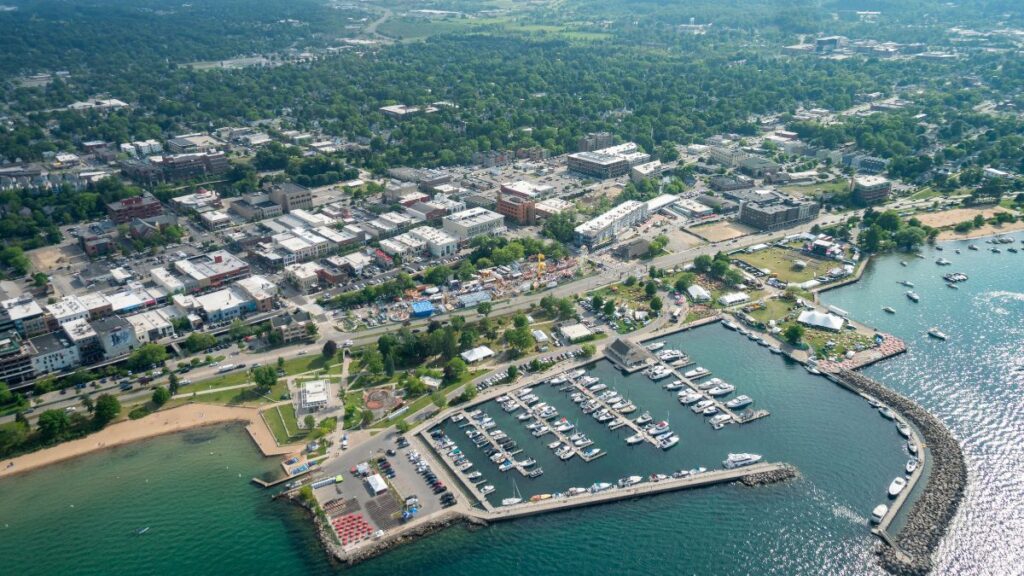
Last Updated: May 2026
Moving to Traverse City Michigan has shifted from a quiet relocation trend to one of the most aggressive housing markets in the Midwest.
Most of what you’ll find online is a glossy sales pitch from realtors or the tourism board—pictures of blue water and cherry blossoms. But after a decade covering Michigan travel for outlets like WDIV and the Washington Post, I’ve learned that the real Traverse City reveals itself only after the summer tourists clear out. To thrive here, you need to know the version of the conversation the marketing brochures skip: the housing reality, the “February test,” and why locals have a love-hate relationship with July.
What follows isn’t a sales pitch. It’s the honest list of things locals wish people knew before pulling the trigger—the parts of moving to Traverse City that change the math, the timing, or the expectation. Some of it will make you want to move tomorrow; some of it will make you wait. Both responses are perfectly reasonable.
📌 Moving to Traverse City: In a Nutshell
- 📍 Location: Grand Traverse County — Northern Lower Michigan.
- 🏠 Median Home Price (2026): ~$395,000 (Grand Traverse County) / ~$800k+ for Bay views.
- 🏘️ Rental Market: Critical tightness; 2% vacancy rate is the norm.
- 💼 Top Employers: Munson Healthcare, Tourism/Hospitality, Remote Tech Hubs.
- 🌡️ The Vibe: Magnificent summers meet a “dress for the weather” winter mentality.
Is Traverse City a Good Place to Live?
Traverse City is a world-class destination for quality of life if your income has decoupled from the local housing market. For remote workers or healthcare professionals, the “up north” lifestyle is unmatched: short commutes, high-end food/wine, and immediate access to water. However, for those relying on traditional local wages, the gap between the cost of living and the local pay scale is a significant hurdle.
FIELD NOTE: The “July Lockdown”
Locals don’t run errands downtown on Saturday afternoons in July. If you move here, you’ll learn the “back-way” routes through the neighborhoods to avoid Front Street traffic during the tourist surge. This is the trade-off for living in Michigan’s premier resort town.
The Real Cost of Living in Traverse City
The headline data says TC is 4-5% below the national average, but that is misleading. Housing has detached from the rest of the cost structure. While groceries and healthcare are reasonable, the median home price in Grand Traverse County hit $395,000 in early 2026.
Renters face it even harder. With a 2% vacancy rate, many long-term units have been converted to Airbnb/VRBO rentals. If you see a rental you like, apply immediately—hesitation of even four hours often results in a “Leased” sign.
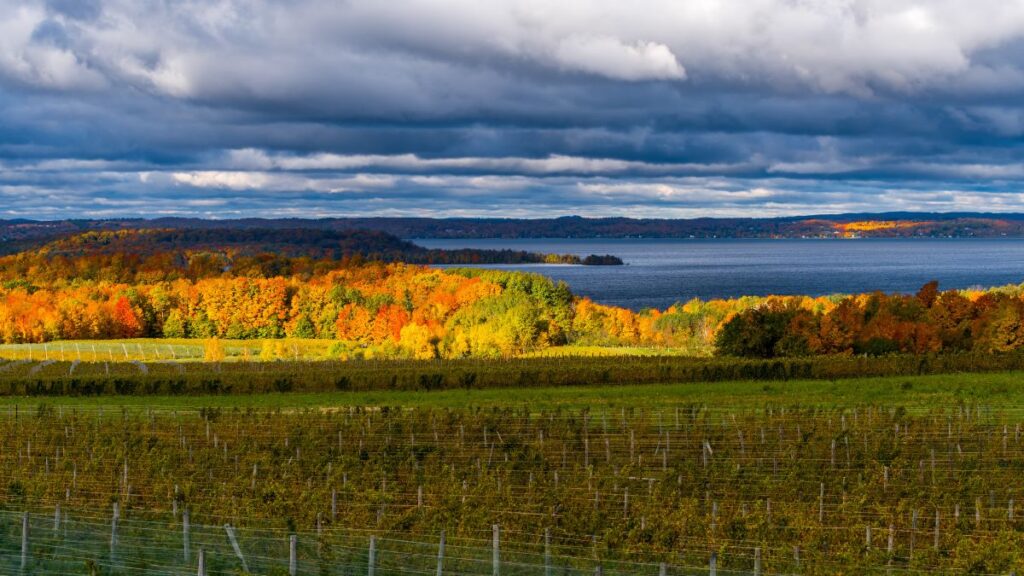
The Best Neighborhoods in Traverse City
Traverse City neighborhoods are defined by their “walk score” and their distance from the bay. Here is how the locals divide the map:
- Slabtown: The historic “golden child” of neighborhoods. Walkable to the bay, West Bay Beach, and downtown. Homes are smaller, older, and expensive, but the lifestyle is peak Traverse City.
- Old Towne: Quiet, residential, and filled with character. This is where you find the tree-lined streets you see in movies.
- Kids Creek: A newer favorite for families, offering proximity to Munson Medical Center and the Great Lakes Children’s Museum.
- Kingsley & Interlochen: The “Budget Release Valve.” If the $400k+ prices downtown are a non-starter, these communities offer a 20-minute commute and homes often under $300k.
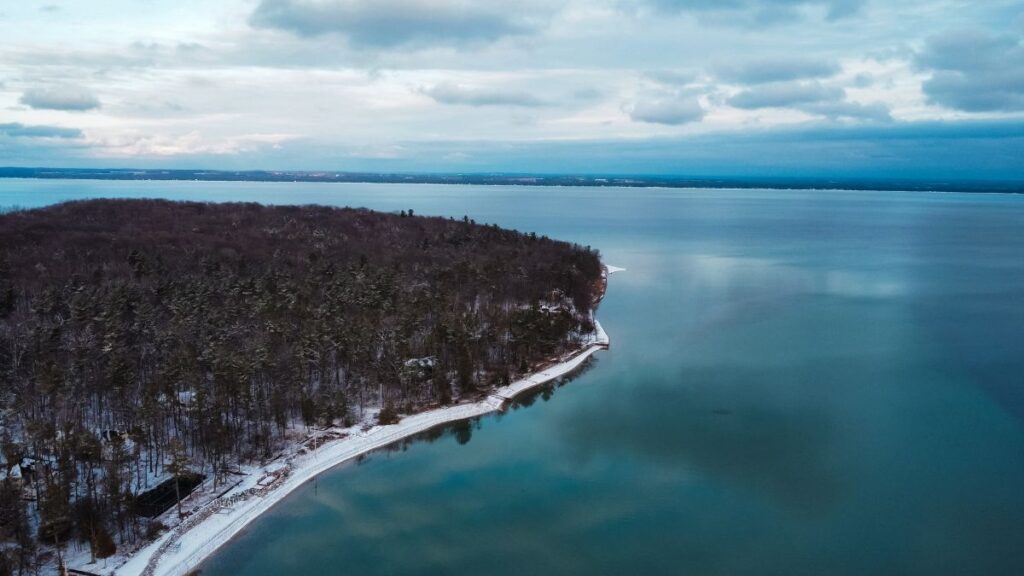
What Winter Is Actually Like in Traverse City
You haven’t lived in Traverse City until you’ve survived a “gray stretch” in February. Lake-effect snow is a daily reality, not an occasional event. Locals who thrive here don’t just “endure” winter; they attack it. Whether it’s downhill skiing at Crystal Mountain or fat-tire biking the VASA trail, you need an outdoor hobby or the season will feel like it lasts six months.
FIELD NOTE: The “February Test”
I always tell prospective transplants to visit TC in the third week of February. If you can enjoy a walk on Front Street in a blizzard and still find the frozen bay “charming,” you’ve passed the test.
The Job Market: What Industries Hire
The economy here is anchored by Munson Healthcare and the hospitality industry. While the remote-work surge has brought in tech and creative professionals, local corporate roles in finance or industrial sectors are limited compared to Grand Rapids or Detroit. 20Fathoms is the local hub for entrepreneurs and is a great first stop if you’re looking to network in the tech space.
Healthcare, Schools, and Daily Life
Munson Medical Center is one of the best regional hospitals in the country, but the growth of the population has outpaced some services. Wait times for mental health specialists and dentists can stretch into months. Similarly, childcare is a genuine crisis in Northern Michigan; many families get on waitlists the moment they find out they are pregnant.
PRO TIP: If you’re coming for the food, don’t miss our guide on the Traverse City Restaurants Locals Actually Go To.
Honest Pros and Cons of Moving to Traverse City
- PRO: Unrivaled outdoor access—you can be on a trail or a beach in 10 minutes.
- PRO: A “big city” food and wine scene in a town of 15,000 people.
- PRO: Lower crime rates and a strong sense of community.
- CON: The “Tourism Tax”—everything from gas to groceries is slightly more expensive in the summer.
- CON: Infrastructure can struggle with the 4 million annual visitors.
- CON: Housing inventory is structurally limited by the bay and protected farmland.
The One Piece of Advice Every Local Will Give You
Rent before you buy. Every long-term local I’ve interviewed over the years says the same thing. You need to see how the city feels when the Cherry Festival tents are gone and the wind is whipping off the bay at 30mph. Traverse City rewards those who love the entire year, not just the postcard version of July.
Frequently Asked Questions
Is Traverse City affordable?
It depends on your housing expectations. While everyday costs are average, the 2026 median home price of $395k makes it one of Michigan’s most expensive markets relative to local wages.
What are the best schools?
TCAPS (Traverse City Area Public Schools) is highly regarded, with Central and West High Schools consistently ranking well for both academics and arts.